Posted on February 24, 2026

Why Early Rehabilitation Matters After Hand or Wrist Surgery

Why Early Rehabilitation Matters After Hand or Wrist Surgery
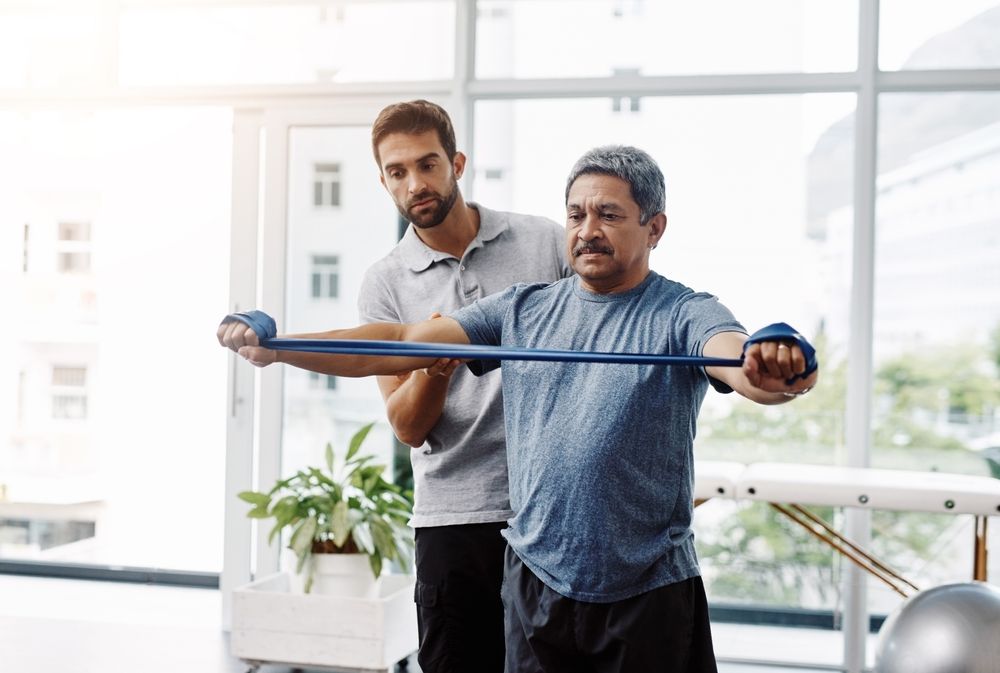
Hand and wrist surgery is often just the first step on the road to recovery. Whether you’ve undergone a procedure to repair a fracture, treat carpal tunnel syndrome, address tendon injuries, or manage arthritis, what happens after surgery plays a critical role in your long-term outcome. At East Bay Hand & Upper Extremity, we emphasize the importance of early rehabilitation to help patients regain strength, mobility, and confidence as safely and efficiently as possible.
Surgery Is Only Part of the Healing Process
The hand and wrist are complex structures made up of bones, joints, tendons, ligaments, nerves, and muscles that must work together seamlessly. After surgery, your body immediately begins the healing process. However, without guided rehabilitation, scar tissue can form excessively, joints can stiffen, and muscles can weaken.
Early rehabilitation is designed to support healing while preventing complications. It ensures that repaired structures are protected while encouraging appropriate movement to promote flexibility and function.
Preventing Stiffness and Loss of Motion
One of the most common challenges after hand or wrist surgery is stiffness. Even a short period of immobilization can significantly limit joint mobility. If motion is not restored early and properly, stiffness can become long-term or even permanent.
A structured rehabilitation plan introduces controlled, progressive movements at the right time. These carefully guided exercises help maintain joint mobility, reduce swelling, and prevent adhesions (scar tissue that restricts tendon movement).
Protecting Surgical Repairs
It may seem counterintuitive to begin movement soon after surgery, but early rehabilitation does not mean aggressive activity. Instead, it involves carefully planned exercises tailored to your specific procedure and healing timeline.
For example:
- Tendon repairs require precise, protected motion to prevent rupture while avoiding scar tissue buildup.
- Fracture repairs may require early mobilization once stability allows.
- Nerve surgeries benefit from guided therapy to promote sensory and motor recovery.
Working with your surgical team ensures that rehabilitation is timed and structured appropriately for your condition.
Reducing Pain and Swelling
Pain and swelling are natural responses after surgery, but prolonged inflammation can delay recovery. Early rehabilitation often includes techniques to manage swelling and discomfort, such as:
- Elevation strategies
- Compression
- Gentle range-of-motion exercises
- Scar management techniques
These approaches help improve circulation and reduce stiffness, allowing tissues to heal more efficiently.
Restoring Strength and Function
The hand plays a critical role in nearly every daily activity, from typing and driving to cooking and lifting objects. Even small deficits in strength or coordination can significantly impact quality of life.
Early rehabilitation focuses on gradually restoring strength, dexterity, and fine motor control. The goal is not just healing but returning you to your normal routine as safely and quickly as possible.
Improving Long-Term Outcomes
Research consistently shows that patients who participate in early, guided rehabilitation often experience:
- Better range of motion
- Faster return to daily activities
- Reduced risk of complications
- Improved overall satisfaction with surgical outcomes
Delaying therapy or attempting unsupervised exercises can lead to setbacks that may require additional treatment or prolonged recovery.
Get Expert Guidance for a Faster Recovery
Early rehabilitation is a vital component of successful recovery after hand or wrist surgery. By preventing stiffness, managing pain and swelling, protecting repairs, and restoring strength, guided therapy helps ensure the best possible outcome. Surgery addresses the structural issue, but rehabilitation restores the function that allows you to live and work comfortably.
Schedule a consultation at East Bay Hand & Upper Extremity to learn how a personalized rehabilitation plan can help you regain strength, mobility, and confidence in your hands. Visit our office in Oakland, California, or call (510) 904-1100 to book an appointment today.
SCHEDULE YOUR CONSULTATION TODAY!
Please contact us today to schedule an appointment or get more information about our hand and upper extremity surgical services.